
Fun88 Privacy Policy: Data Collection and Member Protection 2026
Fun88 handles member data according to international standards — from collection, encryption to transparent access control.
Many users after completing the Fun88 account registration process begin to ask: full name, phone number, email — the information just entered — where is it really stored and who can access it? This is not an unfounded concern. This page directly analyzes Fun88's privacy policy for 2026, from the scope of data recorded, technical protection methods, to the groups of people permitted to access member information.
Scope of data Fun88 collects from members
Data collected is divided into three distinct layers according to when it is generated, with no arbitrary collection outside the platform's operational scope.
The first layer is formed at the registration step: full name, phone number and email address. This is the basic identifying information used to verify account ownership and contact when necessary. The second layer arises during deposits and withdrawals — including bank account numbers, beneficiary names and transaction history. This information is tied to specific payment orders and stored per legal compliance requirements. The third layer is device data: IP address, browser type, operating system — automatically recorded each time a member Logs in or interacts with gaming products.
This three-layer separation has practical significance: each layer serves a different purpose and is not used interchangeably for functions outside the originally defined scope.
Storage purposes and groups permitted to access
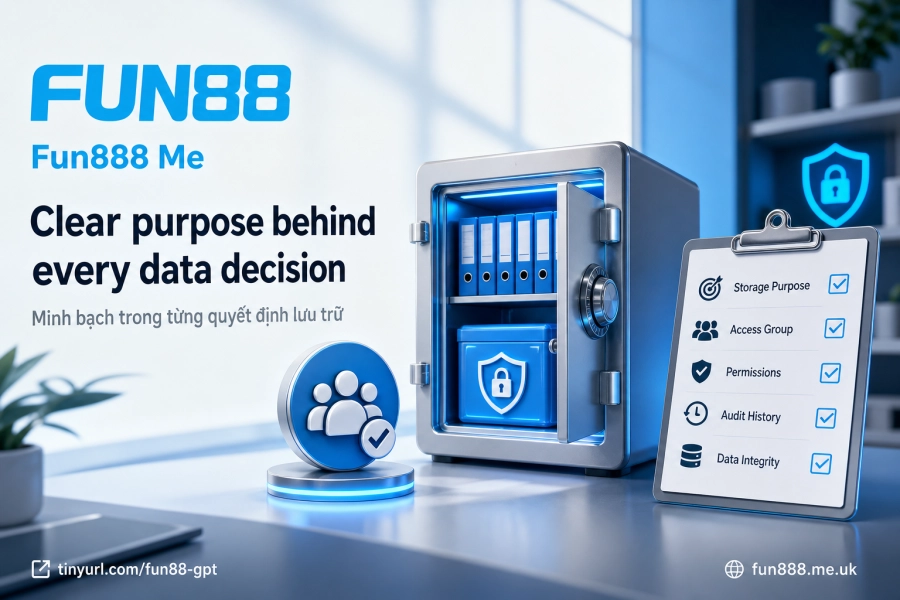
Collected data serves not only to operate the account but also supports multiple objectives closely related to member benefits. First, identifying information and transaction history are cross-referenced whenever there is a support request related to deposits/withdrawals — helping to shorten processing time and reduce errors. Second, behavioral data (device, IP, session duration) is used to personalize experience and detect early signs of unusual account activity. Third, personal information is stored according to international standards to serve audit and legal reporting requirements when needed.
Regarding scope of application, the policy identifies three groups permitted to access member data within the functional limits of each group: Fun88 internal staff (serving operations and customer support), agents and business partners with confidentiality-binding contracts, and legally authorized bodies when there is an official request. Beyond these three groups, data is not transferred to any third party for commercial purposes.
Technical protection mechanisms applied at Fun88
All data flows exchanged between member devices and Fun88 servers are encrypted using 128-bit SSL — a security standard common in the financial and online betting industry. This standard ensures that login information, banking details and gaming session data cannot be intercepted during transmission, even when the connection passes through public networks.
Fun88 operates under a PAGCOR Philippines license since 2009, meaning data storage and protection standards must meet the periodic audit conditions of the licensing authority. Users can learn more at the Data security commitment page to see details of related technical measures.
Fraud detection and impact on account data
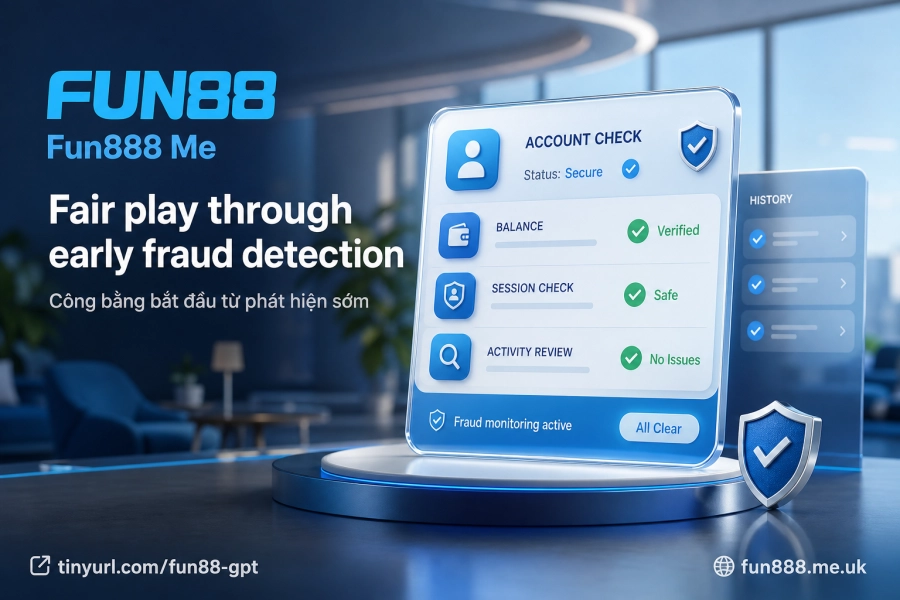
One of the least discussed but important aspects of the privacy policy is how Fun88 handles fraud detection through device data. Cases of using software to manipulate results, creating multiple accounts from the same IP, or tampering with login data will result in two direct consequences: the account is placed on a blacklist and all subsequent requests from that device are rejected.
This means device data serves not only personalization — it is also a fraud detection tool. When an IP address or device fingerprint is flagged, any new account registered from that device is also affected. This mechanism aims to protect a fair environment for all members, while explaining why Fun88 needs to store device data from the first login.
Members who want to better understand legal obligations and rights can refer to the Fun88 terms and conditions or Scope of legal liability exemption.
Frequently asked questions about 2026 privacy policy
Can members request to view or edit personal data?
According to current policy, members have the right to contact support to verify and request adjustments to declared information. However, some data tied to transaction history falls under mandatory storage per legal regulations and cannot be unilaterally deleted. Fun88 handles such requests through the Fun88 channel — the support team responds within minutes for standard cases.
How long is transaction data stored?
The policy does not disclose specific numbers in months or years, but clearly states that transaction history is stored according to international standards — meaning it must meet minimum requirements of the licensing authority (PAGCOR). In practice, this is typically a timeframe sufficient to serve audits if there are disputes or investigations following transactions.
Does the Fun88 mobile app apply the same policy?
Yes. All data collected through the Fun88 app on Android and iOS falls within the scope of this policy. Mobile device data — including device ID, operating system version and IP location — is processed under the same 128-bit SSL encryption mechanism as on the web.